
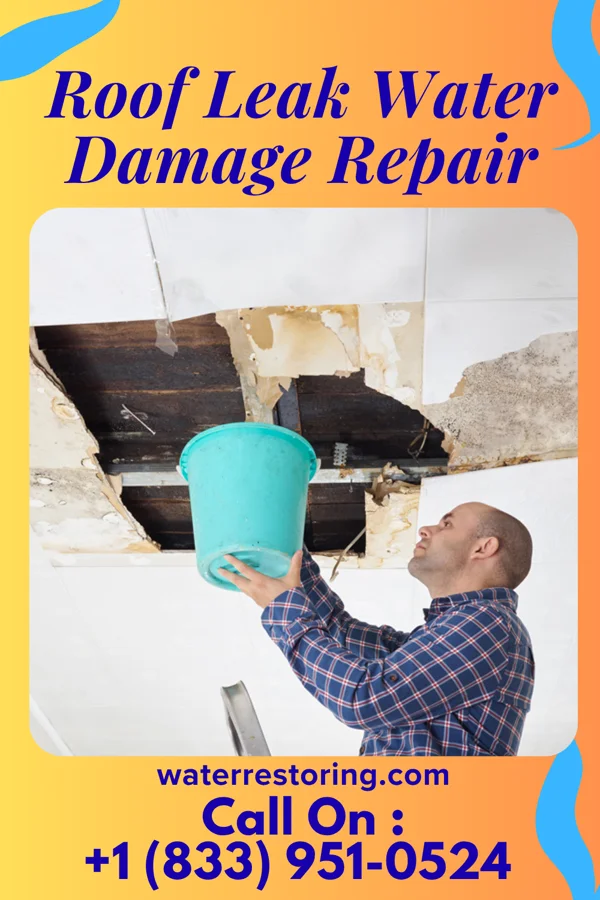
Beaver Meadows Roof Leak Damage: What Owners Should Know
Residential or commercial, water damage emergencies in Beaver Meadows keep coming back to the same drivers. Beaver Meadows, Pennsylvania experiences frequent spring and summer thunderstorms, which can lead to sudden heavy rainfall and strong winds. These conditions often result in roof damage, especially on older or improperly maintained structures. The region's climate also includes occasional late fall storms that can cause unexpected water intrusion. sits at the top of the list. A close second is The area is prone to prolonged periods of moderate rainfall, which can saturate roofing materials over time. This, combined with the occasional freeze-thaw cycle in late spring and early fall, can weaken shingles and lead to leaks. Additionally, high humidity levels contribute to moisture retention in roofing systems..
The local climate in Beaver Meadows contributes to roof damage through frequent rainfall, high humidity, and seasonal temperature fluctuations. These factors can lead to issues like shingle granule loss, water pooling, and compromised flashing, especially in older homes.
Water damage in Beaver Meadows follows a few local patterns. Beaver Meadows, Pennsylvania experiences frequent spring and summer thunderstorms, which can lead to sudden heavy rainfall and strong winds. These conditions often result in roof damage, especially on older or improperly maintained structures. The region's climate also includes occasional late fall storms that can cause unexpected water intrusion. accounts for the bulk of our calls. The local climate in Beaver Meadows contributes to roof damage through frequent rainfall, high humidity, and seasonal temperature fluctuations. These factors can lead to issues like shingle granule loss, water pooling, and compromised flashing, especially in older homes. Mold can begin to grow within 48 hours of water intrusion in Beaver Meadows due to the region's high humidity levels. This can lead to significant secondary damage, including wood rot, structural weakening, and health risks for residents.
For public guidance on the health effects of mold after prolonged water exposure, see the EPA mold and health page.